
©2026 Pacific Gas and Electric Company
pge-corp

Renewable energy & storage
Other energy sources
Our approach
Along with our renewable energy portfolio, our hydroelectric, nuclear, and conventional systems jointly work to optimize the supply of clean energy to our customers.
Hydroelectric energy
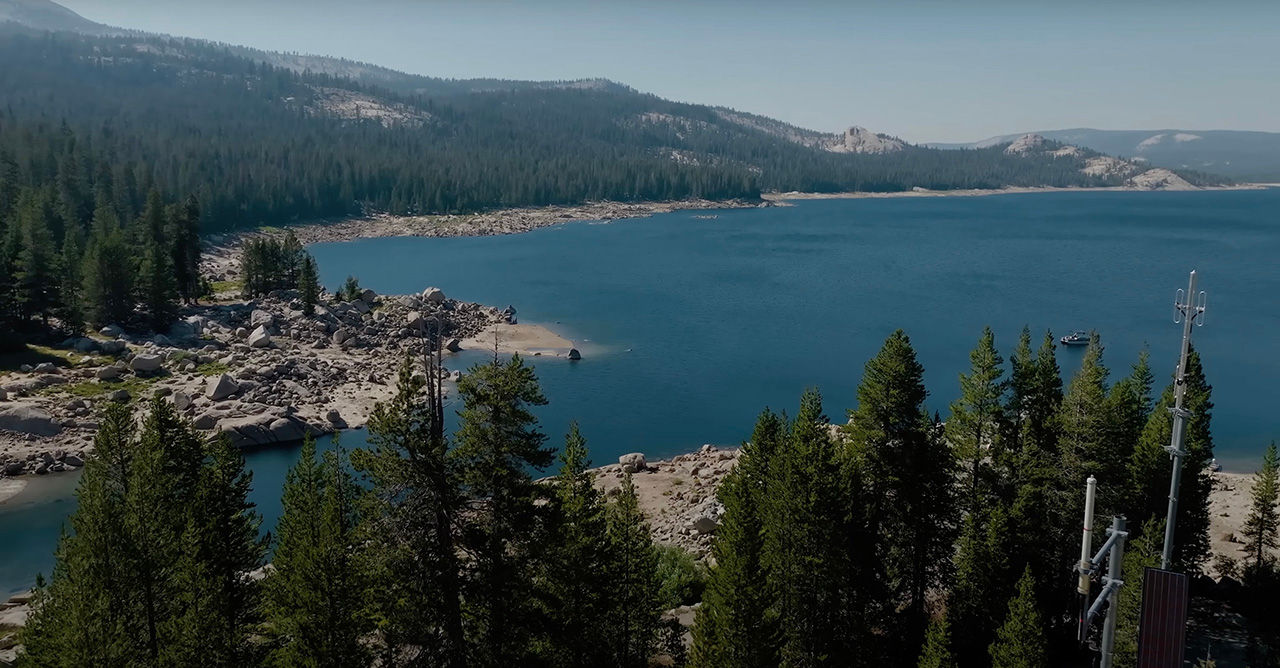
PG&E’s hydroelectric system consists of nearly 100 reservoirs that feed 57 powerhouses and a pumped storage facility, for a total generating capacity of nearly 4,000 MW of clean power. Hydropower is a flexible, clean energy resource that helps the grid integrate intermittent sources of renewable energy such as wind and solar.
PG&E collaborates with water agencies, environmental organizations, and federal and state departments under the guidance of the Federal Energy Regulatory Commission (FERC) to balance hydropower generation with public recreation, water supply, and environmental protection―whether in times of drought or periods of extreme precipitation.
We also work together to repair and strengthen our hydroelectric infrastructure, manage wildfire risks, and mitigate environmental impacts. PG&E’s Dam Safety Program maintains the long-term safety and reliability of our water storage and water conveyance infrastructure and compliance with the regulations of the FERC and California’s Division of Safety of Dams.
Measuring progress
We gauge our hydroelectric performance by the reliability of our carbon-free hydroelectric power generation units; progress on public safety around the flumes, canals, and other waterways we manage; and compliance with environmental requirements for our operating licenses.
The following table presents the average availability factor of our hydropower facilities.
Hydropower plant performance1
- Refers to the proportion of hours in a year that a plant is available to generate electricity.
As part of PG&E’s wide-ranging public safety program, which includes K-8 education and an extensive dam safety and inspection program, we track widening of berms along canals and the installation of fencing and gates to further protect the public around PG&E-managed waterways.
Protecting the public around PG&E-managed waterways
- In 2023 and 2024, our focus was on widening berms along canals; upon completion, we returned to installing fencing.
Nuclear energy
As directed by California Senate Bill 846, PG&E is supporting state electric reliability needs by taking actions to continue Diablo Canyon Unit 1 operations into 2029 and Unit 2 operations into 2030. We support the state’s goals to ensure statewide electric reliability and minimize greenhouse gas emissions, as California transitions to a clean energy future.
As the state’s single largest facility producing greenhouse gas-free electricity, Diablo Canyon is helping the state reduce emissions and combat climate change. As a baseload generator of 24/7 zero-emissions electricity, the plant provides enough energy to meet the needs of over 3 million Californians and plays an important role in ensuring electric reliability for all Californians.
PG&E is committed to the highest levels of safety, performance, and security at Diablo Canyon. The Nuclear Regulatory Commission’s (NRC) latest annual assessment of the facility continues to place Diablo Canyon among the highest-performing plants in the U.S. nuclear industry. This reflects the hard work and dedication of our coworkers and our commitment to meeting PG&E’s and the NRC’s high-performance standards.
Spent fuel storage
At both Diablo Canyon and PG&E’s former nuclear unit at the Humboldt Bay Power Plant, PG&E safely stores spent fuel in on-site dry container storage systems approved and licensed by the NRC. Diablo Canyon also safely and securely stores spent fuel in a wet storage facility. These two on-site interim storage solutions are federally monitored and follow industry best practices to ensure they are safe and effective.
Water management
PG&E actively manages the water used in the nuclear generation process in accordance with the water discharge limit set by Diablo Canyon’s Clean Water Act permit.
Measuring progress
In 2024, Diablo Canyon Unit 2 underwent a safe and successful refueling outage. Units 1 and 2 produce 1,122 and 1,118 MW, respectively, of greenhouse gas-free electricity during regular operations. In November, Unit 1 officially entered extended operations, continuing to generate enough electricity to meet the needs of 1.5 million Californians.
Diablo Canyon continues to demonstrate high operational performance as gauged by its plant capacity factor, a measure of generation reliability. Diablo Canyon achieved a capacity factor of 93% during 2024.
Nuclear power plant performance
- Refers to the ratio of the actual output of the plant relative to the output if the plant had operated at full capacity for the year.
PG&E continues to pursue relicensing of Diablo Canyon Power Plant, as directed by current state policy.
Conventional energy
PG&E operates three natural gas-fired power plants with best-in-class emissions levels and reduced water use via dry cooling: Colusa Generating Station (660 MW), Gateway Generating Station (580 MW), and Humboldt Bay Generating Station (163 MW)
As flexible combined-cycle power plants, the Colusa and Gateway Generating Stations are an essential part of PG&E’s efforts to successfully integrate more renewable resources into the grid. When wind or solar production varies during the day, these facilities can ramp up quickly to meet customers’ demand.
Measuring progress
The following table presents the average availability factor of our natural gas power plants.
Natural gas power plant performance1
- Refers to the proportion of hours in a year that a plant is available to generate electricity.
- In 2022, Gateway Generating Station underwent a planned major overhaul of its combustion turbines, resulting in expected reductions in its availability factor.